
The idea of making a meaningful impact—on organisations, on people, and on the world—rarely comes down to individual brilliance alone. Time and again, we see that the leaders who truly move the needle are those who understand one fundamental truth: impact is multiplied through people. The question is not whether talent exists, but whether leadership knows how to recognise it, retain it, and most importantly, release it.
This conversation sits at the heart of modern leadership—and it’s becoming more urgent by the day.
Impact Is a Team Sport
 When we look at high-impact leaders and organisations, one pattern consistently emerges: they are intentional about the teams they build. Success is not accidental. It is shaped by surrounding yourself with people who think boldly, challenge the status quo, and approach problems with curiosity rather than caution.
Beyond-thinking individuals—those who see possibilities before others do—are the real accelerators of progress. They stretch organisations forward. They imagine futures that don’t yet exist. And when they are aligned around a shared vision, their collective impact far outweighs individual effort.
Leadership, then, becomes less about personal achievement and more about orchestration.
The Real Leadership Challenge: Attracting Beyond Thinkers
While most leaders agree that innovation and forward-thinking are essential, attracting and retaining beyond-thinking people is far easier said than done.
The challenge lies not in recognising talent, but in creating an environment where that talent can thrive. Modern organisations compete not only on salary or benefits, but on meaning, growth, and trust. People who think beyond today want space to experiment, permission to challenge, and leaders who don’t feel threatened by their pace of thinking.
And this is where tension often emerges.
When Leadership Feels Threatened by Talent
Many managers today are under immense pressure. They carry broad responsibilities, juggle competing priorities, and are expected to be generalists rather than specialists. Change moves quickly, and keeping up is exhausting.
In this context, beyond-thinking individuals can feel overwhelming. Their ideas move fast. Their questions disrupt comfort. Their vision extends beyond current systems and structures.
The unintended consequence? Leaders may unconsciously suppress the very people they need most—not out of malice, but out of survival.
Yet leadership that clings to control eventually limits growth.
The Mindset Shift: From Control to Utilisation
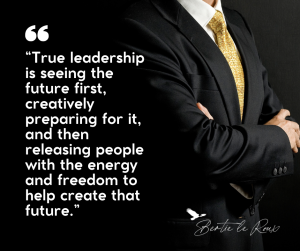 At the core of effective leadership is a mindset shift: moving from managing people to fully utilising them.
Leadership is not about having all the answers. It’s about recognising the resources already available and using them to their fullest potential. That requires trust, humility, and courage.
One powerful leadership principle stands out: let them loose.
When leaders release capable people—rather than containing them—energy multiplies. Ownership deepens. Innovation accelerates. People stop waiting to be told what to do and start actively shaping outcomes.
Seeing the Future First
True leaders don’t just respond to change—they anticipate it.
They are able to see the future before it arrives and prepare creatively for what’s coming. More importantly, they transfer that vision and energy to their people, inviting them to help build what lies ahead.
Beyond thinkers naturally live in this future space. They dwell where others hesitate. They explore possibilities that feel uncomfortable or uncertain. When aligned with a leader who shares their foresight and passion, something powerful happens: opportunity is created, not waited for.
This is where leadership and beyond thinking meet.
Developing People, Not Just Performance
Leadership impact is measured not only by results, but by development.
Great leaders pull people through growth, stretch their capability, and create opportunities for learning and contribution. With passion and foresight, they don’t just lead tasks—they develop people.
And when people grow, organisations follow.
This is not an easy path. From an HR and leadership perspective, the reality is messy. Managers are often overworked and overstressed, struggling to balance operational demands with people development. Add to that the pressure of younger generations entering the workplace with different expectations, and the challenge intensifies.
Yet avoiding this work comes at a far greater cost.
Beyond Thinking Is a Leadership Responsibility
Beyond thinking does not flourish by accident. It requires leaders who are willing to evolve, to feel the discomfort of change, and to grow alongside their people.
The future belongs to organisations that stop fearing talent and start unleashing it.
Leadership, at its best, is not about being the smartest person in the room—it’s about creating a room where smart, forward-thinking people can do their best work together.
Summary
Impact is not built in isolation. It is built through people who are trusted, empowered, and aligned with a shared vision of the future.
Beyond thinkers are not a threat to leadership—they are its greatest asset.
The real question is whether leaders are ready to shift from control to contribution, from management to mobilisation.
So here’s the question:
Are you building a leadership culture that contains talent—or one that releases it to create the future?